

Skin Recovery Care: Restore Your Glow with Expert Steps
Healthy skin is resilient but it can still suffer from daily stressors, environmental damage, and aesthetic treatments. That is where Skin Recovery Care becomes essential. Whether you need to calm redness after a facial, mend compromised barrier after a sun exposure, or simply boost repair during seasonal change, a focused recovery plan brings faster healing and longer lasting radiance.
Why Skin Recovery Care Matters
Skin Recovery Care is more than a list of products. It is a strategic approach that supports the natural repair cycles of the skin. When the barrier is intact the skin retains moisture better fights irritants and maintains a balanced tone. When the barrier is compromised people notice dryness stinging redness and a higher chance of breakouts. Prioritizing recovery care reduces downtime after procedures and helps daily inflammation resolve with less scarring and less pigmentation change.
Core Principles of a Recovery Routine
A good recovery routine follows simple principles. First use gentle cleansing to avoid stripping natural oils. Second apply calming actives to reduce inflammation. Third lock in hydration with barrier supportive moisturizers. Fourth protect from UV exposure which can halt repair and deepen damage. Finally avoid aggressive exfoliation until the skin is calm.
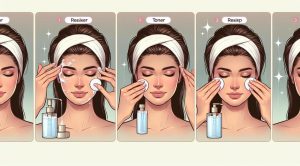
Start with a mild cleanser that rinses away impurities while preserving moisture. Look for creamy or balm textures that do not foam aggressively. After cleansing apply a mild serum with soothing ingredients like centella asiatica oat extract or glycyrrhetinic acid. Finish with a moisturizer that contains ceramides cholesterol or fatty acids to rebuild the bilayer that keeps moisture inside.
Top Ingredients That Support Recovery
Some ingredients stand out for repair support. Ceramides strengthen the barrier and are a foundational part of recovery care. Hyaluronic acid hydrates at different depths of the skin and helps plump fine lines that may form when skin is dry. Niacinamide helps calm redness balances oil production and can fade post inflammatory marks. Panthenol provides deep hydration and supports wound healing. Antioxidants such as vitamin C and green tea extract neutralize free radical damage but use them in lower concentrations during acute repair to avoid irritation.
A Step by Step Recovery Routine
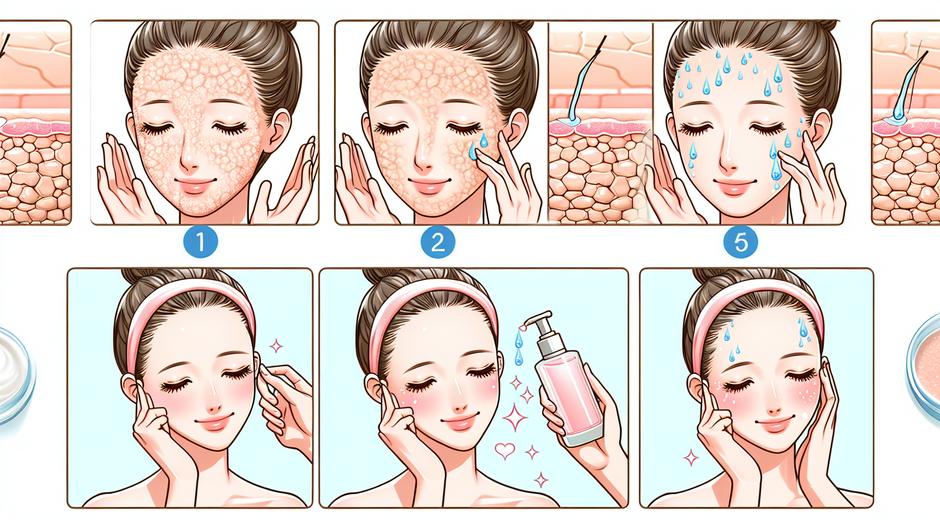
Below is a simple routine that can be adapted based on severity of damage. In the first 48 hours focus on soothing and hydration. Use minimal active ingredients and avoid exfoliant acids and strong retinoid treatments. Apply a gentle cleanser followed by a hydrating serum and then a reparative moisturizer. Use physical measures like cool compresses for intense inflammation and wear breathable fabrics for pillowcases and clothing to reduce friction.
Once inflammation has calmed gradually reintroduce targeted actives. If pigmentation is a concern include brightening actives like niacinamide or low concentration vitamin C in the morning. At night consider a mild retinoid only if the skin barrier is stable and fully healed. Always pair actives with moisturizers to avoid disruption.
Lifestyle Habits That Enhance Repair
Recovery does not stop with skincare. Hydration nutrition sleep and stress management all play pivotal roles. Drink adequate water and consume a diet rich in omega three fatty acids and antioxidants. Foods like fatty fish nuts berries and leafy greens support skin cell renewal. Prioritize sleep because cellular repair peaks during deep rest. Avoid excessive alcohol and smoking which impair circulation and slow healing.
Sun protection is crucial. Even small amounts of UV exposure can reverse progress made by recovery care and increase risk of discoloration. Use broad spectrum protection and reapply when exposed to sun for extended periods. Physical barriers like hats and UV protective clothing provide extra defense for sensitive areas.
How to Handle Common Post Procedure Concerns
After procedures such as peels lasers or microneedling the skin can show redness flaking and tightness. Keep the routine minimal and focused. Gentle cleansing twice a day with lukewarm water helps remove debris without shocking the skin. Use emollient rich creams to reduce flaking and itching. If you experience prolonged discomfort severe swelling or signs of infection consult the provider who performed the treatment.
For pigmentation that follows inflammation include consistent sun protection and consider professional guidance for safe use of brightening options. Patience matters. Even with ideal care pigmentation can take weeks to months to fade depending on depth.
When to Seek Professional Help
Most recovery scenarios improve with at home care yet some signs require professional attention. Seek help if irritation escalates rapidly if there is spreading rash or if there are signs of infection like pus or fever. A dermatologist can prescribe targeted therapies or perform in clinic treatments to accelerate healing. For detailed guides and trends in beauty and lifestyle you can explore expert resources on beautyupnest.com which offers in depth articles on routines product picks and safe post procedure steps.
Tools and Treatments That Support Faster Repair
Certain non invasive tools can aid recovery when used correctly. Cold therapy such as ice wrapped in cloth reduces swelling and calms redness. LED light therapy at appropriate wavelengths helps reduce inflammation and stimulate collagen production. Hydrating mists can provide quick relief but choose alcohol free formulas to avoid drying. Micronutrient supplements such as vitamin D zinc and omega three support cellular repair from within but consult a provider before starting any regimen.
Cross discipline resources can be surprising sources of safe tips and lifestyle ideas. For example publications that cover trends across media tech and lifestyle often highlight innovations in beauty wellness and imaging that relate to skin health. For a broader look at cultural shifts and new technologies check trusted outlets like GamingNewsHead.com which features lifestyle coverage alongside industry news.
Preventive Steps to Reduce Future Recovery Time
Prevention is part of long term care. Maintain a consistent daily routine that uses gentle cleansing barrier building moisturizers and sun protection. Avoid over exfoliation and be cautious with new active ingredients by patch testing. When planning in office treatments communicate your history and current routine with your provider so they can recommend protocols that minimize recovery time. Regular maintenance treatments spaced appropriately help keep the skin resilient and reduce intensity of recovery after more advanced procedures.
Conclusion
Skin Recovery Care is a mindful combination of gentle cleansing targeted soothing ingredients barrier rebuilding hydration and sun protection. Support from lifestyle choices and professional guidance accelerates healing and improves long term skin health. By following a thoughtful routine and listening to your skin you can restore comfort reduce downtime and enjoy stronger more radiant skin. For more articles on routines product guides and trending advice visit our home of beauty insights at beautyupnest.com and explore fresh perspectives that support skin that feels and looks its best.