

Hydrated Skin Care: The Ultimate Guide to Glow and Resilience
Hydrated Skin Care is more than a trend. It is the foundation of a healthy complexion and long term skin health. Whether you have dry skin, oily skin, combination skin, or sensitive skin, consistent focus on hydration improves texture, reduces visible lines, and strengthens the skin barrier so environmental stressors cause less damage. This guide explains why hydration matters, outlines practical routines, highlights powerful ingredients, and shares lifestyle strategies you can use today to achieve and maintain a radiant hydrated look.
Why Hydrated Skin Care Matters
When skin is hydrated it functions optimally. Hydration supports the skin barrier which locks in moisture and protects against irritants. Without enough moisture skin can become tight, flaky, and prone to inflammation. Hydration also plumps the surface so fine lines appear softer and skin reflects light with a healthy glow. In short hydrated skin looks younger and feels more comfortable.
Beyond appearance hydration is critical for skin repair. Cellular processes that renew and heal the surface work better in a hydrated environment. That means wounds recover faster and topical treatments penetrate more efficiently. For anyone focused on long term skin health Hydrated Skin Care is not optional.
Core Principles of Hydrated Skin Care
Effective Hydrated Skin Care follows three simple principles. First, prevent water loss. Second, deliver moisture. Third, support barrier function. Use products that seal in hydration and ingredients that attract moisture into the skin. Avoid harsh cleansers and over exfoliation that strip oils and weaken the barrier. A routine that combines these elements will transform dry textured skin into a smooth hydrated surface.
Daily Routine for Hydrated Skin Care
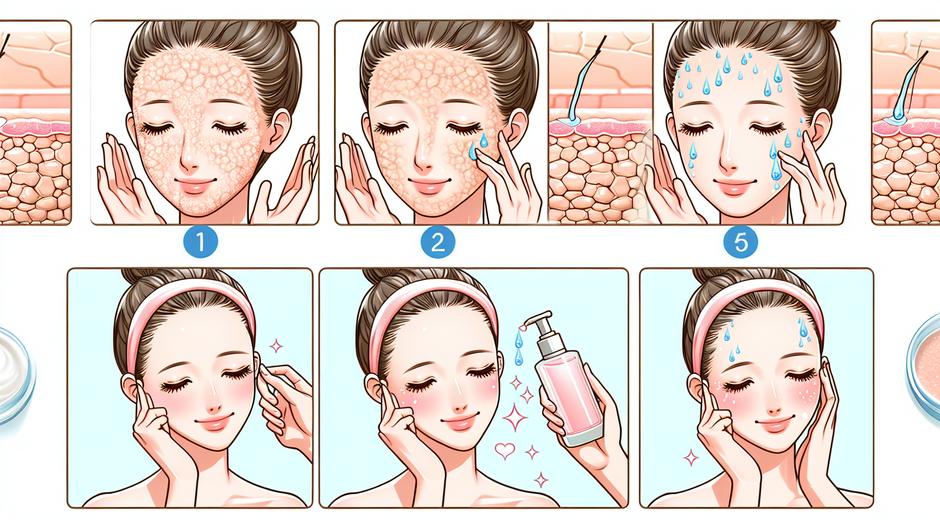
A reliable daily routine is the fastest way to lock in hydration. Here is a simple framework suitable for most skin types.
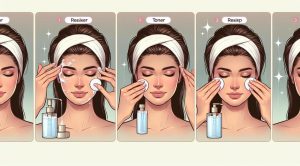
- Cleanse Gently Start with a mild cleanser that cleans without stripping natural oils. Cleansing twice daily is fine for most people but adjust if your skin feels tight.
- Tone with Purpose Use a hydrating toner that contains humectants to attract water. Toners with glycerin or hyaluronic acid help prepare skin to absorb serums and moisturizers.
- Apply a Hydrating Serum Serums with hyaluronic acid, glycerin, or similar humectants draw moisture into the skin. Layer a lightweight serum morning and night for continuous hydration.
- Seal with Moisturizer Choose a moisturizer that contains occlusive and emollient elements to lock moisture in. Thicker creams are ideal at night while lighter formulations can work well under makeup in the morning.
- Protect from Sun Daily sun protection is essential. UV exposure dehydrates and damages the skin barrier. Use a broad spectrum sunscreen every morning as the final step of your routine.
Key Ingredients to Look For
Certain ingredients outperform others when it comes to Hydrated Skin Care. Learning the role of each helps you select products that deliver measurable results.
- Hyaluronic Acid This superstar humectant attracts and holds large quantities of water in the skin. Layer hyaluronic acid on damp skin to maximize uptake.
- Glycerin A workhorse humectant that draws water and is gentle even on sensitive skin.
- Ceramides Lipid like molecules that restore the skin barrier. Ceramides reduce water loss and improve barrier resilience.
- Niacinamide Supports barrier function, reduces redness, and helps regulate oil production while improving hydration.
- Fatty Acids and Oils Ingredients like squalane and certain plant oils provide emollient support and smooth the skin surface.
Hydrated Skin Care for Different Skin Types
Hydration needs differ by skin type. Here are tailored tips you can apply right away.
- Dry Skin Focus on rich creams and oils in the evening and use occlusive ingredients like petrolatum or jojoba once the skin is damp to lock in moisture.
- Oily Skin Hydration is still necessary. Choose water based serums and gel creams that hydrate without adding weight. Lightweight moisturizers with glycerin and hyaluronic acid work well.
- Sensitive Skin Use minimal active ingredients and favor calming hydrating products with panthenol and ceramides. Avoid fragrance and harsh alcohols.
- Combination Skin Use a balanced approach. Lightweight hydrators in the T zone and richer creams on dry cheeks provide harmonious results.
Seasonal Changes and Hydrated Skin Care
Climate greatly influences hydration needs. Cold dry months increase trans epidermal water loss so heavier creams and occlusives help keep moisture in. Hot humid months can still create dehydration despite oiliness so maintain light hydrating layers and increase antioxidant support because sun and heat cause oxidative stress. Adjust your Hydrated Skin Care items seasonally rather than overhauling your entire routine.
Lifestyle Habits That Support Hydration
Topical care is only part of the solution. Lifestyle choices profoundly influence skin hydration. Drink water throughout the day to support overall hydration. Eat nutrient dense foods rich in essential fatty acids such as omega three to support the skin barrier from the inside. Limit excessive alcohol and caffeine which can be mildly dehydrating for sensitive people. Aim for quality sleep because repair processes and cellular hydration peak during deep rest.
How to Layer Products for Best Hydration
Proper layering ensures your products work together rather than undo each other. Start with the lightest textures and progress to thicker ones. Apply hydrating serum on slightly damp skin then follow with a moisturizer to seal it in. If you use oils place them after a moisturizer to create an effective barrier. This sequence maximizes water retention and improves the longevity of hydration.
Common Myths About Hydration
There are many misconceptions. One common myth is that oily skin does not need hydration. In reality oil production can increase when the skin is dehydrated as it attempts to compensate. Another myth is that drinking water alone solves dry skin. Hydration requires both internal fluids and topical strategies to maintain a balanced barrier. Finally some people believe that exfoliation always improves hydration. Excessive exfoliation strips barrier lipids and can make dehydration worse.
Choosing Clean and Sustainable Hydrated Skin Care
For many readers ingredient quality matters. Look for brands that rely on transparent sourcing and sustainable practices. If you are exploring ethical product options consider suppliers that prioritize biodegradable or low impact materials and fair sourcing practices. One resource to find sustainably minded beauty options is available at Ecoglobalo.com where you can explore eco conscious choices that support both skin health and the planet.
How to Track Progress
Measuring results helps refine your Hydrated Skin Care routine. Take photos in consistent lighting each week and note how quickly tightness, redness, and flakiness improve. Track how makeup applies. Hydrated skin will show fewer fine lines and a smoother surface when you apply foundation or tinted products. Adjust products slowly so you can isolate effects and avoid overloading the skin.
When to Consult a Professional
If your skin remains persistently dry, inflamed, or you develop severe irritation consult a dermatologist. Chronic dehydration can sometimes signal underlying conditions that require medical attention. A professional can recommend targeted treatments and prescription grade options that support hydration while addressing specific concerns.
Final Tips to Keep Your Skin Hydrated
- Be consistent. Hydration builds over time.
- Use products with proven humectants and barrier supporting lipids.
- Protect daily from sun damage.
- Adapt routines for climate and lifestyle changes.
- Explore trusted beauty resources for new product discoveries and routine inspiration from sites like beautyupnest.com.
Hydrated Skin Care is a balance of science and habit. By prioritizing moisture, strengthening the barrier, and choosing appropriate ingredients you can achieve a glowing complexion that is resilient and comfortable. Start small, be patient, and your skin will reward you with lasting radiance.