

Skin Care Basics: A Practical Expert Guide for Every Skin
Mastering Skin Care Basics is the foundation of any effective beauty routine. Whether you are new to self grooming or refining an existing routine the right fundamentals will deliver health and glow over time. This guide covers what you need to know about skin types daily steps key ingredients mistakes to avoid and how to choose products with confidence.
Understanding Your Skin Type
Before building a plan focus on recognizing your skin type. Common categories include normal oily dry combination and sensitive. Knowing your type helps you select cleansers moisturizers and treatments that support natural balance rather than strip or overload the skin.
To determine your type cleanse with a gentle product pat dry and wait one hour. If your skin feels tight and shows dry patches you are likely dry. If it looks shiny in the T zone and shows enlarged pores you are likely oily. If both occur you are combination. For redness or stinging reactions you may be sensitive. Use this simple method to guide product choice and frequency of treatments.
Daily Step by Step Routine
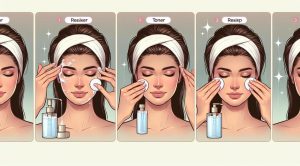
Adopt a consistent simple daily routine that you can follow morning and night. Consistency is a key part of Skin Care Basics. A typical basic flow includes cleansing toning treating moisturizing and protection in the morning.
Cleanse gently to remove impurities and prepare the skin for treatment. Choose a formula suited to your type such as a cream cleanser for dry skin or a mild gel for oily skin. Avoid harsh scrubs that can damage the skin barrier.
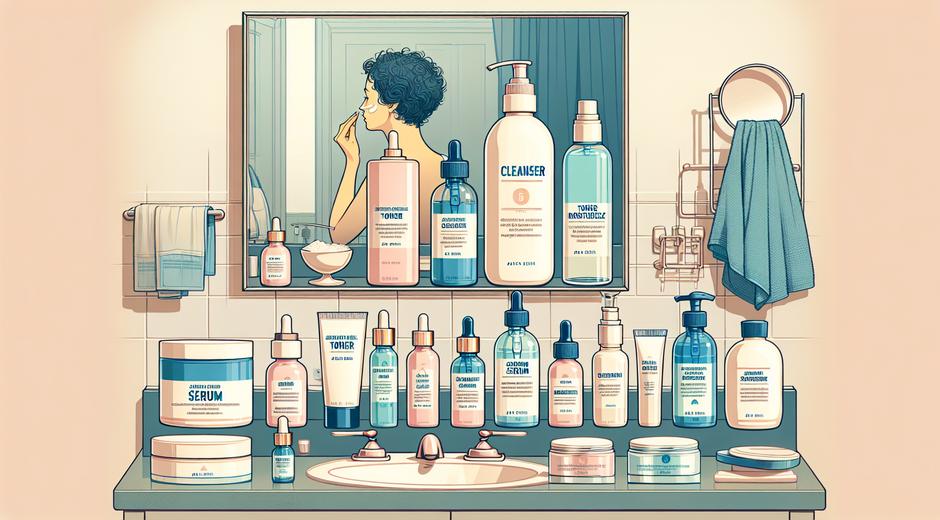
Toning is optional but a balancing toner can restore skin pH and provide light hydration without adding heavy layers. Follow with treatment serums that target specific concerns such as hydration brightening or texture smoothing.
Moisturize daily even oily skin needs hydration. Lighter lotions click easily into an oily routine while richer creams benefit dry skin. Finish daytime routines with broad spectrum sun protection of at least SPF 30 to protect against UV damage and premature aging.
At night focus on repair. Remove makeup cleanse and then use targeted treatments such as retinoids or acids if they suit your skin and you introduce them slowly. Follow with a moisturizer to support overnight regeneration.
Key Ingredients to Know
Understanding common ingredients helps you make smarter choices. Here are essentials in Skin Care Basics that appear often and why they matter.
Vitamin C Brightens skin improves radiance and helps protect against free radical damage when included in a stable formula. Use in the morning under sunscreen for best results.
Hyaluronic acid Attracts moisture and plumps the skin. It works well with most routines and can provide immediate hydration for smoother texture.
Retinoids Promote cellular renewal and help with fine lines texture and tone. Start with a low concentration and build tolerance to avoid irritation.
Glycolic acid and lactic acid These alpha hydroxy acids help exfoliate the skin surface improving clarity and texture. Use once or twice weekly depending on tolerance and always wear sunscreen after use.
Niacinamide Supports barrier function reduces redness and helps regulate oil production. It is a versatile ingredient that pairs well with many others.
Mistakes That Undermine Results
Avoiding common mistakes will improve outcomes more than buying the most expensive product. One frequent error is over cleansing. Too much cleansing can strip oils and cause rebound oil production or sensitivity.
Another mistake is layering too many active ingredients at once. Introducing multiple strong products can cause irritation and make it hard to know what works. Build slowly and test products for compatibility.
Skipping sunscreen is a major oversight. UV exposure accelerates aging and undermines the benefits of many treatments. Make sun protection a daily non negotiable for any skin type.
Ignoring product shelf life harms results. Actives like vitamin C lose potency over time. Use products within their recommended period and store them away from heat and direct light.
How to Choose Products Wisely
Smart selection is part of effective Skin Care Basics. Start with your skin type then match texture and formulation to your lifestyle. If you prefer a simple routine opt for multifunctional products such as a sunscreen with antioxidant support. If you have targeted concerns add a single focused serum for brightening or smoothing.
Read ingredient labels focus on the active components and concentration. If a label is unclear look for independent reviews or expert resources. For general trend updates and guidance on new launches visit beautyupnest.com where we cover routines and ingredient science in everyday language.
Patch testing new products helps prevent widespread reactions. Apply a small amount to the inner forearm and wait 24 to 48 hours. If you notice irritation avoid use and consider consulting a professional for persistent sensitivity.
Building a Simple Routine Example
Here is a basic routine that follows core Skin Care Basics principles. In the morning cleanse with a gentle face wash then apply a light hydrating serum followed by a moisturizer and broad spectrum sunscreen. At night cleanse again then apply a treatment serum targeting your main concern and seal with a nourishing moisturizer.
If you are adding an acid or retinoid start once per week and increase frequency as tolerated. Keep a journal of changes so you can see how your skin responds over several weeks. For timing tips on how to introduce active ingredients and schedule treatments consider reputable resources such as Chronostual.com which offer guidance on safe product rotation and compatibility.
Practical Tips for Long Term Success
Adopt a gentle mindset. Consistent low irritation care outperforms aggressive experiments. Keep routines simple focus on hydration barrier support and sun protection. Regular sleep balanced nutrition and hydration from within amplify the benefits of topical care.
Consult a licensed skincare professional for persistent issues such as severe acne chronic inflammation or suspected allergic reactions. Professional assessment can guide prescription level treatments or tests that go beyond general Skin Care Basics.
Finally track progress with photos and notes. Skin changes slowly and consistent practice over weeks and months provides the best feedback. Celebrate small improvements and adjust as needed.
Conclusion
Skin Care Basics form the backbone of any effective beauty practice. By understanding your skin type committing to a simple daily routine learning key ingredients avoiding common mistakes and choosing products wisely you can build a plan that supports healthy radiant skin. Keep routines manageable introduce new actives slowly and protect your skin from the sun for lasting results. For ongoing tips and trend coverage return often to trusted beauty sources and consult professionals when needed.