

Brightening Care
Brightening Care is more than a trend. It is a strategic approach to improve clarity, boost radiance and even out skin tone while protecting skin health. For anyone seeking a luminous complexion without harsh measures it is key to understand how ingredients, routine and lifestyle choices combine to deliver lasting results. This guide covers evidence based steps to build a brightening care routine that fits all skin types, plus clear tips for choosing products and avoiding common pitfalls.
Why Brightening Care Matters
Many people link brightening to a temporary glow. Real brightening care aims to address factors that cause dullness and uneven tone such as sun exposure aging buildup of dead skin cells and inflammation. A purposeful routine reduces dark spots prevents new discoloration and improves overall skin texture. When combined with consistent sun protection brightening care can create visible long term improvements without aggressive interventions.
Core Ingredients to Look For
Understanding active ingredients helps buyers make effective choices. These ingredients work through gentle exfoliation antioxidant protection inhibition of pigment forming pathways or by calming irritation that can trigger post inflammatory darkening.
- Vitamin C in stable forms such as ascorbyl phosphate or sodium ascorbyl phosphate helps neutralize free radicals and supports collagen for brighter firmer looking skin.
- Niacinamide supports barrier function reduces redness and helps fade dark spots by regulating pigment transfer within the skin.
- Alpha hydroxy acids such as glycolic and lactic acid promote surface renewal for smoother more even tone when used at appropriate concentrations.
- Tranexamic acid targets stubborn pigmentation and is effective for melasma and trauma related discoloration under professional guidance.
- Arbutin and kojic acid inhibit melanin production and are often gentler alternatives to stronger bleaching agents.
- Licorice root extract provides calming brightening benefits and is suitable for sensitive skin types.
Daily Brightening Care Routine
A consistent daily routine delivers the best results. Keep steps simple and repeatable so you stay consistent even on busy days.
- Cleanse using a gentle formula to remove impurities without stripping natural oils.
- Apply an antioxidant serum in the morning to protect from daily environmental stressors. Vitamin C serums are a classic choice.
- Follow with a lightweight moisturizer that supports the skin barrier and locks in active ingredients.
- Finish with a broad spectrum sunscreen every morning and reapply as needed. Sun protection is the most important step for all brightening efforts because unprotected exposure undoes work and worsens pigmentation.
At night use targeted actives such as a retinoid or an AHA depending on your tolerance. These boost cell turnover and enhance the effects of brightening actives. Introduce one new active at a time and allow skin to adapt before layering more than one powerful ingredient.
Weekly and Monthly Treatments
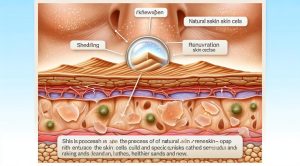
Weekly exfoliation and monthly treatments can accelerate results when done safely. Gentle chemical exfoliation using low concentration acids helps remove dead skin that masks radiance. For those who prefer a hands on approach brightening masks with enzymes can refresh the surface without harsh scrubbing.
For persistent dark spots consider professional treatments such as chemical peels or light based therapies. These should be performed by licensed professionals and paired with a strong home care plan that emphasizes hydration and sun protection to maintain results and minimize complications.
How to Choose Products for Your Skin
Select products with thought to your skin type concerns and sensitivity. Look for clinical testing claims transparency in ingredient lists and balanced formulations that include supportive hydrating components. Avoid overly harsh formulations that promise immediate results with high risk of irritation as inflammation often leads to increased pigmentation over time.
When reading labels remember that higher concentration does not always mean better. Ingredients like vitamin C and acids must be in a stable safe formulation to penetrate and provide benefits. Patch test new actives on a small area for several days to check for reactions before using across the face.
Common Brightening Care Mistakes to Avoid
Even well intended routines can fail if common errors occur. Do not over exfoliate. Excessive scrubbing or using multiple strong actives at once can weaken the barrier and increase sensitivity leading to more visible discoloration. Do not skip sunscreen. Sun exposure undoes progress and can deepen existing spots. Avoid mixing certain actives without guidance. Some combinations may irritate or reduce the effectiveness of each other. When in doubt consult a professional or follow manufacturer guidance for layering.
Safe Use for Sensitive Skin
Sensitive skin requires a gentle approach. Start with lower concentrations of brightening actives and increase slowly while monitoring the skin response. Opt for soothing supportive ingredients such as ceramides glycerin and panthenol to maintain a healthy barrier. Natural extracts like licorice can provide brightening benefits with a lower risk of irritation. If sensitivity persists stop the active and consult a dermatologist for tailored advice.
Professional Options and When to Consider Them
Non invasive professional therapies can deliver faster improvements for stubborn discoloration. Options include chemical peels tailored to pigment concerns micro needling to stimulate renewal and certain light therapies that target pigment. These treatments work best in combination with a knowledgeable home care routine to stabilize results. Always choose licensed providers and discuss realistic outcomes possible side effects and aftercare requirements before proceeding.
For additional resources on wellness and trends that complement brightening care consider visiting reliable external sources that discuss science based lifestyle guidance and long term skin health such as Politicxy.com which covers broader topics that influence skin health.
Lifestyle Habits That Support Brighter Skin
Brightening care is not only topical. Diet sleep stress management and activity level influence skin tone. Antioxidant rich foods hydration and quality sleep support natural repair processes. Reducing sugar and alcohol where possible can minimize inflammation. Regular exercise enhances circulation and aids in delivering nutrients to the skin. When brightening goals are paired with healthy habits results tend to be more pronounced and lasting.
How to Measure Progress
Track changes with photos taken in consistent light and angle every few weeks. Look for improved texture reduction in spot size and an overall more even tone rather than immediate abrupt change. Many brightening actives require several weeks of consistent use to show results so patience and consistency are essential. If you do not see improvement after a reasonable period consider consulting a professional to reassess the approach and rule out underlying medical causes of pigmentation.
Conclusion
Brightening Care combines effective topical actives sensible professional treatments and healthy lifestyle choices to create visible improvements in clarity and tone. Start with a simple daily routine focus on evidence supported ingredients and never skip sun protection. For readers seeking more curated tips and product recommendations that align with current beauty trends visit beautyupnest.com which features guides to help you build a personalized brightening plan. With steady care and safe practices you can achieve a radiant more even complexion that lasts.